
What the 2026 NiMET Weather Report Means to You & Your Business
 admin
admin
On February 10, 2026, the Nigerian Meteorological Agency (NiMet) unveiled its Seasonal Climate Prediction at the NAF Conference Centre in Abuja.
The report provides science-backed climate and weather projections to help Nigerians manage daily life and business plans.
The forecast clearly indicates that 2026 will not follow familiar patterns.
Rainfall will be inconsistent in timing and distribution, with some geopolitical regions experiencing early onset and others experiencing delayed rains. This will be combined with prolonged dry-season spells, in some cases lasting up to 21 days, and temperatures expected to remain above familiar averages across much of the country.
In essence, the key takeaway is that Nigeria faces a year where weather unpredictability will challenge both personal and business planning systems. Prepare for rapid changes rather than relying on past patterns.
What This Means to Agriculture
In Nigeria, agriculture remains the backbone of livelihoods, food security, and everyday price stability, contributing about 25.67% to GDP, employing roughly 34% of the workforce.
Agriculture is also one of the most climate-sensitive sectors of the Nigerian economy. The Agriculture production system in Nigeria is substantively rainfed and NiMet’s 2026 projections highlight just how fragile the timing of traditional food production will be this year. With early rains expected in parts of the southern region of the country, this could create a false start to the farming season, followed by extended and prolonged dry spells that may disrupt crop development and yields.
At the same time, other areas in the northern region of the country, such as Borno, are expected to experience a delayed onset, resulting in some states having shorter growing seasons and others having longer ones. This uneven distribution of rainfall and its timing means that farming decisions based on historical weather patterns carry a greater risk to food production than ever before. The economic consequence is not only reduced yields but also income instability across rural communities.
Impact on Business Operations
For businesses, especially in supply chains, logistics, and trade, variable weather has immediate effects. Inconsistent rainfall which may result in flooding affects road conditions, delays transport, and disrupts regional goods movement. A truck may leave a dry north only to face floods in the south, while excessive heat waves and high temperatures elsewhere risks the quality of perishable goods.
Disruptions mean higher costs, delayed deliveries, and lower efficiency. For small and medium enterprises, the impact is greater since they often can’t absorb shocks. Predictable seasonal cycles can no longer anchor planning this year.
Living Under Unpredictable Weather Conditions
Urban centres, particularly Lagos and surrounding states, face heightened exposure under the 2026 outlook. NiMet has warned that the August break is likely to begin in late July and could be both severe and prolonged in Lagos, Ogun, and Ekiti.
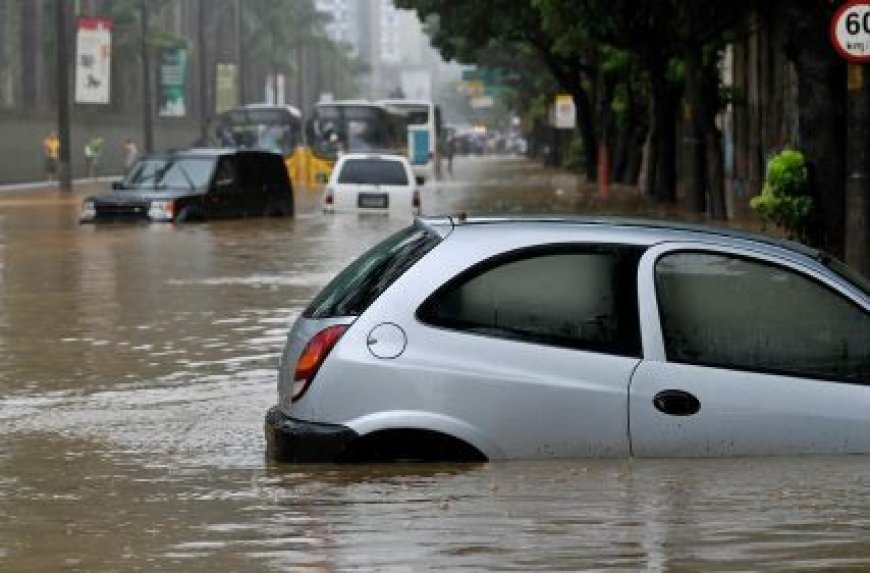
This pattern of extended dry spells followed by intense rainfall would likely create conditions for flash flooding and put infrastructures at risk. In densely built environments with limited drainage capacity, the financial implications would be substantial. Damage to property, business premises, vehicles, and transport systems becomes more likely.
The Rising Cost of Excessive Heat Waves
NiMet’s projection of above-average temperatures across multiple months introduces a quieter but equally significant risk. Heat affects energy consumption, as cooling needs increase for both households and businesses. In a country already managing energy constraints, this leads to higher costs and greater operational pressure.
Beyond energy, heat also impacts productivity and health. Warmer conditions reduce work efficiency, increase fatigue, and raise the risk of heat-related illnesses for both humans and animals being raised for consumption. For businesses, this translates into hidden costs and lower output, higher mortalities for domestic animals, higher maintenance expenses, and shorter equipment lifespans due to prolonged exposure to excessive heat waves and high temperatures.
Planning in an Age of Climate Uncertainty
The most important takeaway from NiMet’s 2026 forecast is that planning must become more deliberate and data-driven. Relying on the rule of thumb or historical weather patterns is no longer sufficient and sustainable in a climate where conditions can shift abruptly within weeks. Individuals and businesses must begin actively using verified forecasts to guide decisions, whether for planting timelines, project scheduling, or inventory management.
Flexibility will be essential. Operational plans must incorporate buffers for delays, disruptions, and unexpected shifts in conditions. Financial preparedness must also evolve, with a stronger emphasis on mechanisms that can absorb shocks rather than simply reacting to them. In this environment, resilience is less about predicting exact outcomes and more about preparing for variability itself and adaptability using various mitigants.
What This Means for You
The essential takeaway: NiMet’s warning means response is crucial. Protect your interests by making informed, practical choices that secure your income, assets, and stability in 2026.
This is where insurance becomes not just relevant, but essential.
As weather patterns grow more unpredictable, the question is no longer whether disruptions will occur, but when and how severe they will be. The prudent response is to ensure that when these unforeseen disruptions do occur, the adverse financial impact does not fall entirely on you or your business.
With insurance penetration still low in Nigeria, many of these losses will continue to be borne directly by individuals and businesses.Now is the time to speak with a Leadway professional risk management advisor, review your current insurance coverage, and put in place protection that reflects the realities of today’s climate. Because in 2026, resilience will not be defined by avoiding risk, but by how well you are prepared to adapt to it.
What the 2026 NiMET Weather Report Means to You & Your Business - Nairametrics