

NCDC: Antibiotic use outside hospitals creating gap in detecting misuse, false medicines
 admin
admin

The Nigeria Centre for Disease Control and Prevention (NCDC) has warned that widespread antibiotic use outside hospitals is creating a major data gap in Nigeria’s fight against antimicrobial resistance (AMR).
Speaking in Abuja on Thursday during the national inauguration of the community access to effective antibiotics initiative, known as Com-WATCH, Jide Idris, NCDC director general, said a large proportion of antibiotics in Nigeria are obtained outside formal healthcare facilities.Idris said the practice is limiting the country’s ability to monitor misuse and detect falsified medicines early.“While important progress has been made through laboratory-based surveillance and hospital reporting systems, we must acknowledge that a large portion of antibiotic use occurs outside healthcare facilities,” he said.
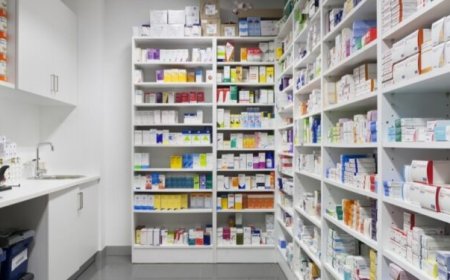
“In many communities, antibiotics are accessed through community pharmacies, patent and proprietary medicine vendors, agro-vendors and other frontline providers.
“Unfortunately, these critical access points are often not fully integrated into our national surveillance systems.”The NCDC DG said the lack of data from community-level sources makes it difficult to identify emerging resistance patterns and respond effectively to public health threats.According to him, the Com-WATCH platform seeks to address that gap by using digital technology to monitor antibiotic availability and detect substandard or falsified medicines in real time.
The system allows vendors and community members to verify medicines through mobile applications, USSD channels and other digital tools.
“The platform introduces a technology-enabled approach to generating community-level data on antibiotic stock levels and the presence of substandard or falsified medicines,” he said.
“Community-generated data like this can strengthen post-market surveillance and support evidence-based decision-making.”
The initiative will initially be piloted in six states, including Kano, Gombe, Ekiti, Ebonyi, Akwa Ibom and the Federal Capital Territory, with potential expansion nationwide.
Adetiloye Oniyire, country director of Jhpiego, described the misuse of antibiotics as a long-standing problem affecting both human and animal health.
“Access to medication alone is not enough; people must have access to quality medicine,” he said.
“One of the most abused drugs is antibiotics.”
He added that the misuse of antibiotics in livestock production and household animal farming is also contributing to the growing resistance crisis.
Similarly, Louise Gough, chief operating officer of the Trinity Challenge, which supported the development of the project, described antimicrobial resistance as a “present and growing emergency.”
“Antibiotics underpin so much of modern medicine, yet those tools are becoming less effective,” she said.
“They make surgery safer, enable cancer treatment and protect mothers during childbirth, but the consequences of resistance are increasingly felt at the community level.”
NCDC: Antibiotic use outside hospitals creating gap in detecting misuse, false medicines | TheCable