


Insurers withdraw war risk cover for vessels across Iranian, Gulf waters
 admin
admin
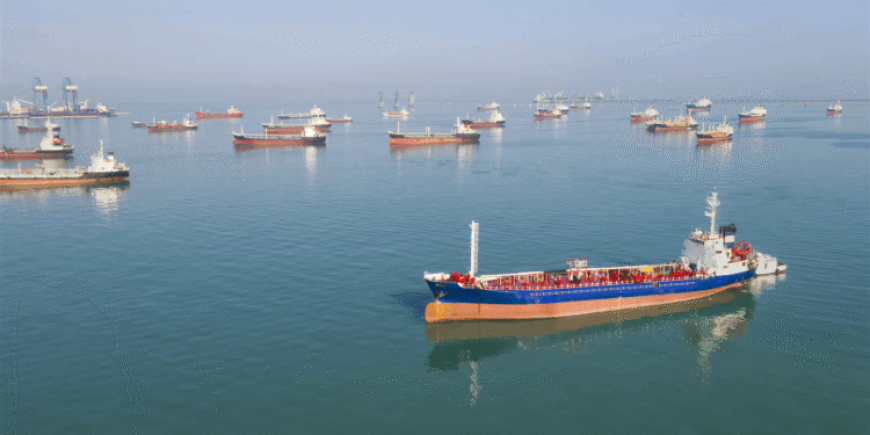
Marine insurers have withdrawn war risk coverage for vessels operating in Iranian waters, the Gulf, and surrounding waterways amid rising regional tensions.
The development was reported by Reuters on Monday, citing official notices from leading insurance providers.
The move comes as recent attacks on vessels and regional strikes have escalated security risks along one of the world’s most strategic energy corridors.
Shipowners navigating these waters now face heightened operational and financial risks.
What the report is saying
The report stated that major marine insurers, including Gard, Skuld, NorthStandard, London P&I Club, and American Club, issued notices dated March 1 announcing the cancellation of war risk coverage.
- “As a result of the incidents, marine insurers are cancelling war risk coverage for vessels and oil shipping rates are set to surge further.”
- “Companies including Gard, Skuld, NorthStandard, the London P&I Club and the American Club said their cancellations would take effect from March 5, according to notices dated March 1 on their websites.”
- “War risk cover will be excluded in Iranian waters, as well as the Gulf and adjacent waters, according to the notices,” the Reuters report read in part.
Skuld indicated it was working to provide alternative cover under revised conditions, suggesting that new terms may come with stricter requirements or higher premiums.
In a related move, Japan’s MS&AD Insurance Group suspended underwriting of insurance policies covering war risks in waters around Iran, Israel, and neighbouring countries, further tightening coverage for maritime trade routes.
Shipping disruption and market impact
Shipping through the Strait of Hormuz, which carries around one-fifth of global oil and large volumes of gas, has slowed significantly. At least 150 vessels, including oil and LNG tankers, are anchored in the Strait and surrounding waters, according to MarineTraffic data.
- Tankers have clustered off the coasts of Iraq, Saudi Arabia, and Qatar.
- Iran has restricted navigation through the Strait, prompting Asian governments and refiners to reassess oil stockpiles.
- Brent crude futures have surged more than 7% amid fears of a prolonged closure and continued attacks.
- Recent incidents include projectiles striking the U.S.-flagged Stena Imperative in Bahrain, the Marshall Islands-flagged MKD VYOM off Oman (killing one crew member), and the Gibraltar-flagged Hercules Star off the UAE coast.
The disruptions have intensified concerns about energy supply security and global oil market stability.
Backstory
The current escalation follows coordinated attacks by the United States and Israel on Iranian targets last Saturday, causing explosions and smoke plumes in Tehran.
- Israel described the strikes as “preventive,” while the US stated the aim was to neutralize “imminent threats” from Iran.
- Explosions were reported across multiple Iranian cities, including Tehran.
- The conflict has already begun affecting energy infrastructure: Saudi Aramco suspended operations at its 550,000 barrels-per-day Ras Tanura refinery in Saudi Arabia’s Eastern Province following a drone strike linked to Iran’s retaliatory actions.
The facility, a critical crude export terminal, is strategically vital for Saudi oil exports, highlighting how regional hostilities are impacting global energy flows.
What you should know
Regional and international authorities have expressed concern over the escalating crisis and its global implications.
- ECOWAS, through Chairman Julius Maada Bio, warned that rising hostilities could affect global trade, peace, and food security.
- Iran confirmed retaliatory strikes on US assets in Bahrain, Kuwait, Qatar, and the UAE, with some missiles intercepted and minor damage reported.
- Saudi Arabia reported repelling attacks on Riyadh and its eastern region.
- Israel has imposed security restrictions, including school closures, relocating hospital patients underground, and banning public gatherings.
The ongoing strikes and counterstrikes continue to pose risks for maritime trade, energy prices, and regional stability, leaving the situation highly fluid and unpredictable.
Insurers withdraw war risk cover for vessels across Iranian, Gulf waters - Nairametrics