
‘Nigeria earns less than $200,000 from cattle’
 admin
admin
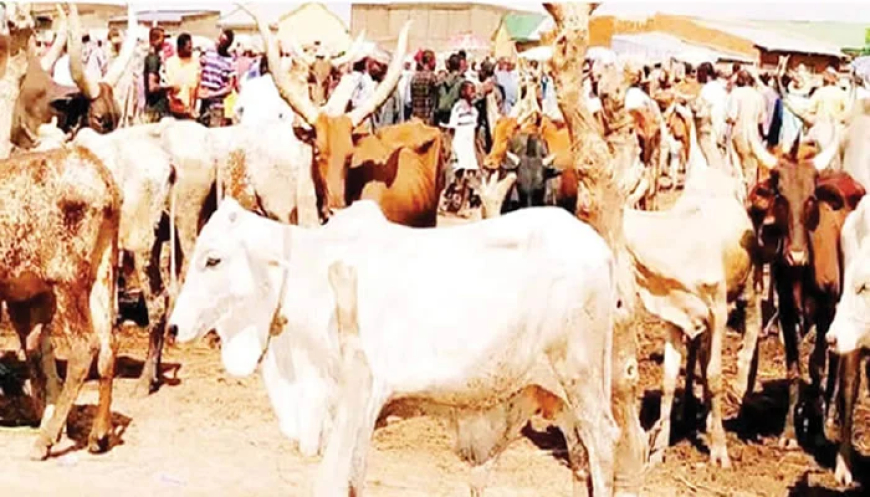
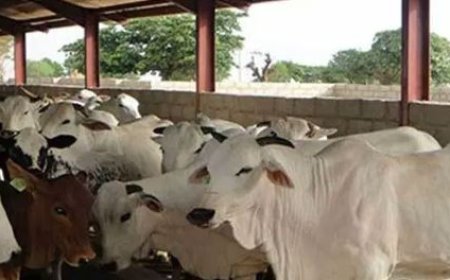
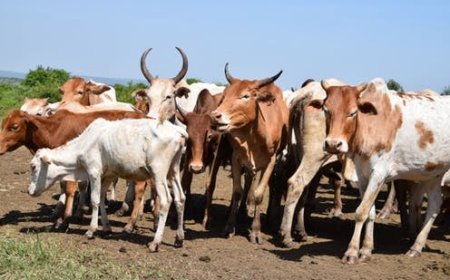
Nigeria generated less than $200,000 from meat and edible offal exports despite having about 20 million cattle, the Youths Against Disaster Initiative has said.
Speaking at a press briefing in Abuja on Tuesday, the Programme Officer of YADI, Farouk Bala, said the country’s livestock export earnings were disproportionately low compared to its herd size and global standing.
“In stark contrast, Nigeria despite maintaining a cattle population of about 20 million and ranking among the top 15 globally-generated only $172,000 from cow exports in 2024, $1.15 million from live animal exports in 2021, and less than $200,000 from meat and edible offal exports,” Bala said.
He added, “These figures underscore the vast economic potential being forfeited as a result of poorly structured and inefficient livestock management systems.”
Bala noted that the Federal Government had disclosed that Nigeria’s livestock sector contributes over $32bn to the nation’s Gross Domestic Product, but said the country was yet to maximise its export potential.
“Reforming Nigeria’s livestock sector is not optional; it is essential for economic revitalisation,” he stated.
He explained that under the National Livestock Growth Acceleration Strategy 2025–2030, the sector is projected to increase its contribution to between $74bn and $94bn within a decade if properly structured.
Drawing comparisons with other countries, Bala said nations that had embraced modern ranching systems were earning billions of dollars annually from beef exports.
“Brazil recorded approximately $9.3bn in beef exports in 2024. The United States exported $7.2 billion worth of beef, while Australia’s exports totalled about $8 billion in the same year. Even Uruguay earned $2.85bn through high-quality, traceable beef production,” he said.
He maintained that structured ranching would enhance revenue generation and strengthen foreign exchange stability by enabling Nigeria to meet international standards in traceability, hygiene, and quality control.
“By meeting international standards in traceability, hygiene, and quality control, Nigeria can access markets within ECOWAS and expand exports to the Middle East and Europe,” Bala said, adding that the country could also reduce its reliance on imported dairy and meat products and conserve foreign reserves.
Beyond export earnings, Bala said structured ranching would stimulate job creation across ranch management, veterinary services, feed production, meat processing, logistics, leather manufacturing, and cold-chain operations.
“This will provide sustainable livelihoods for unemployed youth and rural dwellers, revitalise rural economies, and reduce migration pressures on urban centres,” he stated.
He further linked ranching reform to improved financial inclusion, noting that properly registered ranches with accurate record-keeping would be better positioned to access bank credit, insurance products, and agritech innovations.
On security concerns, Bala cited data referenced by the Centre for Crisis Communication, which showed that between 2018 and 2023, about 3,000 people were killed in farmer-herder clashes across the North-Central states, while over 300,000 persons were displaced.
He described structured ranching as a system that would introduce order and accountability into livestock management, reduce encroachment on farmlands, and limit criminal infiltration.
“Structured ranching limits uncontrolled movement, improves traceability, and reduces operational spaces for non-state armed actors,” Bala added.
He commended the commitment of President Bola Ahmed Tinubu’s administration to implement ranching reform, with Kwara State selected as the pilot state, but noted that misinformation remained a major challenge.
“Our engagements across communities reveal that the majority of stakeholders are not fundamentally opposed to ranching reform. The resistance observed appears largely driven by misinformation,” he said.
Bala also said, “Nigeria’s 20 million cattle can become a cornerstone of industrialisation, export growth, youth employment, and strengthened internal security if properly harnessed.”
He called on federal and state governments, pastoral and farmers’ associations, and development partners to support the reform process, stressing that with adequate information and transparent implementation, ranching reform could transform the livestock sector into a major economic driver.
The PUNCH earlier in January 2026 reported that the Federal Government disclosed plans to increase the contribution of Nigeria’s livestock sub-sector to the nation’s Gross Domestic Product from $32bn to over $74bn within the next 10 years.
The Minister of Livestock Development, Idi Mukhtar Maiha, disclosed this in Ilorin during a livestock stakeholders’ engagement organised by the Kwara State Government, which brought together over 250 players across the livestock value chain.
Represented at the event by his Special Adviser, Mr Mark Mbaram, the minister said the Federal Government was committed to repositioning the livestock sector as a major driver of food security, job creation, and economic growth.
Nigeria's Livestock Sector: Earning Less Than $200k From Cat