

External reserves hit $50bn, highest in 13 years – CBN
 admin
admin
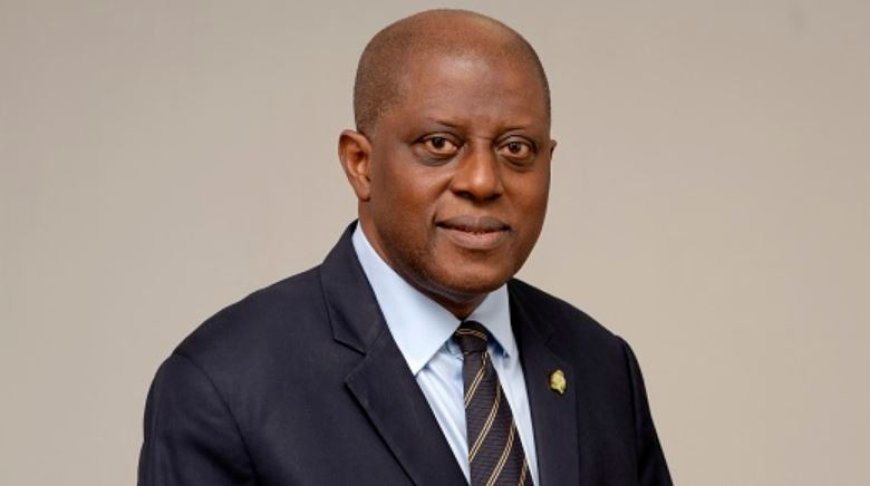
The Central Bank of Nigeria has announced that the country’s gross external reserves have surpassed the $50bn mark, reaching their highest level in over 13 years.
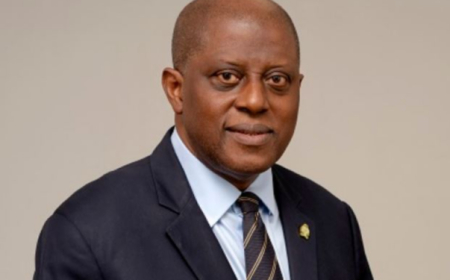
Governor Olayemi Cardoso disclosed this milestone on Thursday while delivering the Distinguished Alumni Lecture at St. Gregory’s College, Lagos, in commemoration of the institution’s Founders’ Day.
Addressing a distinguished audience of alumni, staff, and students, Cardoso attributed the impressive growth in reserves to a return to orthodox monetary policy, improved export earnings, and sustained investor confidence in the nation’s economic reforms.
Drawing a parallel between the “strong foundations” taught at St. Gregory’s College and the requirements for a robust national economy, Cardoso emphasised that Nigeria’s recent economic stability is the result of deliberate, disciplined policy choices.
He said, “Stability cannot be restored through short-term fixes alone. It requires a return to fundamentals, disciplined policy, and the rebuilding of strong institutional foundations.”
The governor highlighted several key achievements, noting the elimination of multiple exchange rate systems and the reduction of the parallel market premium from 50 per cent in 2022 to less than two per cent today.Furthermore, he pointed to a nearly 200 per cent increase in capital and investment flows between 2023 and 2025, alongside a resolute focus on tight monetary policy, which has helped bring inflation down from a peak of 34 per cent to approximately 15 per cent.
Cardoso also provided a status update on the ongoing banking sector recapitalization exercise. He confirmed that 30 banks have already successfully met the new minimum capital requirements, while a total of 33 institutions have raised additional capital through various channels.
The remaining banks are currently undergoing a routine verification process. “This initiative is more than a regulatory adjustment,” Cardoso explained. “It is a strategic reform designed to ensure that Nigeria’s banking sector is strong enough to support the scale of investment needed for the country’s economic transformation.”
Speaking to the students of his alma mater, the governor urged them to embrace a multidisciplinary approach to their future careers. He noted that in a world increasingly shaped by artificial intelligence, fintech, and digital platforms, success will reward those who can combine creativity, technology, and analytical rigor.
“The careers of the next twenty or thirty years will reward those who are curious, adaptable, and willing to learn beyond the limits of a single field of study,” he stated.
As the nation navigates global economic uncertainties, Cardoso remained optimistic, asserting that with the structural foundations now in place, Nigeria is in a far stronger position to withstand external shocks and ensure long-term, sustainable growth.