

Chevening alumni in Nigeria trains 691 women entrepreneurs on public procurement
 admin
admin
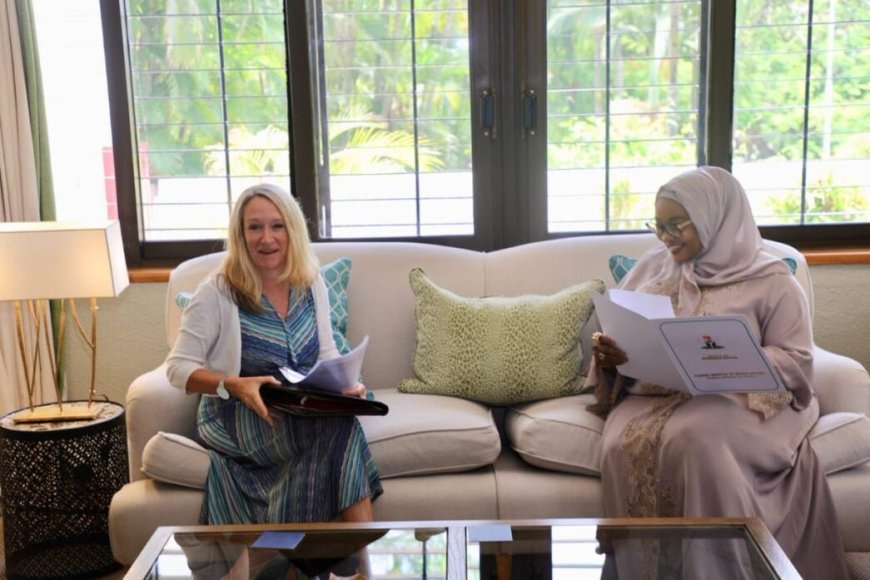
The Chevening Alumni Association of Nigeria (CAAN) says it has trained 691 women entrepreneurs on public procurement processes, compliance requirements and competitive bidding strategies.
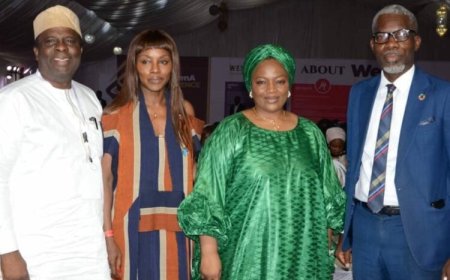
The training was conducted under the Scaling Women’s Economic Empowerment through Affirmative Procurement (SWEEAP) project.SWEEAP is an initiative of CAAN implemented by DO Take Action. It seeks to equip women entrepreneurs with the skills and knowledge needed to access government contracting opportunities, promote inclusive procurement systems and strengthen women’s economic participation in Kano and Rivers states.According to a joint statement issued by Kester Osahenye, president of CAAN; and Precious Ebere Chinonso, chief executive officer of DO Take Action; the project’s close-out reception was held on February 24 at the British High Commissioner’s residence in Abuja.
Speaking at the event Gill Lever, the British deputy high commissioner to Nigeria, said the project demonstrated the impact of Chevening alumni-led initiatives in supporting inclusive economic growth.
“It is inspiring to see the impact our Chevening alumni are driving across Nigeria,” Lever said.“Through programmes like Scaling Women’s Economic Empowerment through Affirmative Procurement (SWEEAP), supported by the Chevening Alumni Programme Fund, we are already seeing clear results: 691 beneficiaries trained and over 500 women‑owned businesses now pursuing procurement opportunities in Kano and Rivers States.”
Adebowale Adedokun, director-general of the bureau of public procurement, said the agency is working to strengthen policies that support women-owned businesses in Nigeria’s procurement system.
Adedokun explained that proposed amendments to the Public Procurement Act would introduce measures to support women-owned enterprises and community-based procurement.
Under the framework, he said, contracts below N15 million would prioritise qualified businesses within local government areas and simplify documentation requirements to make participation easier.
Also speaking, Ine Briggs, the director-general of the Rivers state bureau on public procurement, said the initiative is helping to address longstanding gaps in the system.
“This initiative is significant because it addresses a structural imbalance within the public procurement system,” she said, adding that the bureau has committed to integrating more women-owned businesses into its contractor database and ensuring they are better informed about available opportunities.
Representing CAAN, Femi Adedipe said the SWEEAP project reflects the potential of alumni-led initiatives to drive development through partnerships and policy engagement.
“Through structured collaboration and stakeholder engagement, this project has built the capacity of 691 women to access procurement opportunities and contributed to inclusive economic reform,” he said.
Participants at the event called for sustained collaboration among government agencies, the private sector and development partners to strengthen inclusive procurement policies and expand economic opportunities for women across the country.