

Nigerian oil crash under $95/barrel on US ceasefire with Iran
 admin
admin
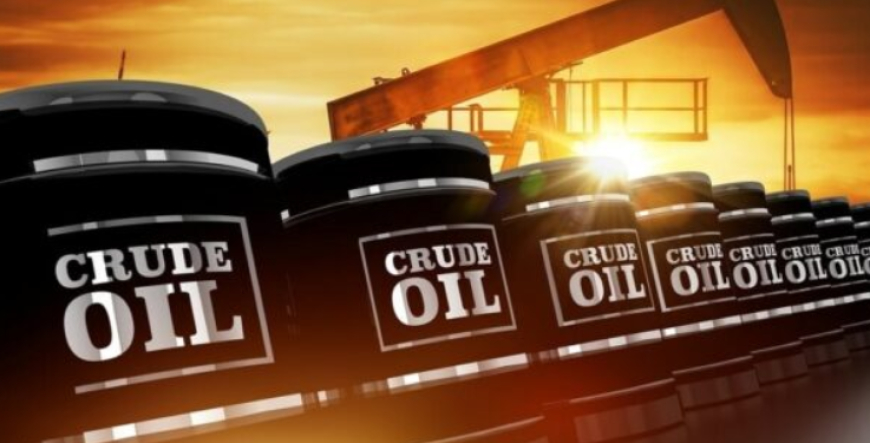
Nigerian crude oil and major oil contracts crashed below $95 a barrel on Wednesday after Iran agreed to reopen the Strait of Hormuz, a vital route for 20% of the world’s energy supply, for two weeks in exchange for a temporary ceasefire with the United States.
Brent crude and WTI were also down by more than 15% at publication.
Bonny Light, a major Nigerian crude, increased by more than half since the Middle East conflict between the United States.
US, Iran move to end conflict
President Donald Trump announced on social media on Tuesday, just hours after Pakistan, a negotiating mediator, pleaded with the US leader to rescind his threat to unleash massive destruction on Iran if it did not comply with his demands.
- The agreement buys time for the two sides to come to a more comprehensive agreement to put an end to the six-week conflict, which has resulted in thousands of deaths and a worldwide energy crisis.
- If Iran consents to “the COMPLETE, IMMEDIATE, and SAFE OPENING of the Strait of Hormuz,” Trump claimed he had agreed “to suspend the bombing and attack of Iran for a period of two weeks.”
Iranian Foreign Minister Abbas Araghchi said that “safe passage through the Strait of Hormuz will be possible via coordination with Iran’s Armed Forces for a period of two weeks” and that “our Powerful Armed Forces will cease their defensive operations” if attacks against Iran are stopped
- Additionally, Trump acknowledged that Iran had sent Washington a 10-point proposal that could be negotiated for a full ceasefire. Iranian officials say Washington and Tehran will start talks on the 10-point proposal in Islamabad on April 10.
Iran’s main demands include coordinated, controlled transit via the Hormuz. Trump has previously voiced similar opinions about turning conflict areas into commercial opportunities following military operations, such as the Gaza Strip, which he claimed could be turned into a resort after Israel’s conflicts with Hamas.
Israel supports ceasefire
A White House official claims that Israel has also consented to the ceasefire. Following Trump’s announcement, some Arab states in the Persian Gulf reported that Iran was still attacking, raising questions about when the truce would start.
- Brent crude fell to its lowest level in nearly six years, about ninety minutes before Trump’s 8 p.m. announcement of his decision. Iran has until the deadline to reopen the strait or risk a heavy military assault.
Shehbaz Sharif, the prime minister of Pakistan, asked US President Donald Trump to extend his deadline on Iran by two weeks “to allow diplomacy to run its course,” which put pressure on oil prices.
- Sharif also asked Tehran to reopen the Strait of Hormuz for a corresponding two weeks as a gesture of goodwill. He also urged all parties involved in the conflict to observe a cease-fire throughout the region.
The White House told Axios that Trump is “aware” of Pakistan’s two-week Iran cease-fire proposal and that “a response will come,” heightening expectations of a potential diplomatic pause.
The developments raised hopes that tensions in the region could ease after recent gains fueled by fears of prolonged disruption to energy flows through the Strait of Hormuz, weighing crude prices. Pakistan is currently mediating indirect negotiations between the United States and Iran to put an end to the Middle East conflict.
Nigerian oil crash under $95/barrel on US ceasefire with Iran - Nairametrics