
Ogoni Clean-Up: HYPREP Targets 1,500 New Jobs, Expands Skills Training
 admin
admin
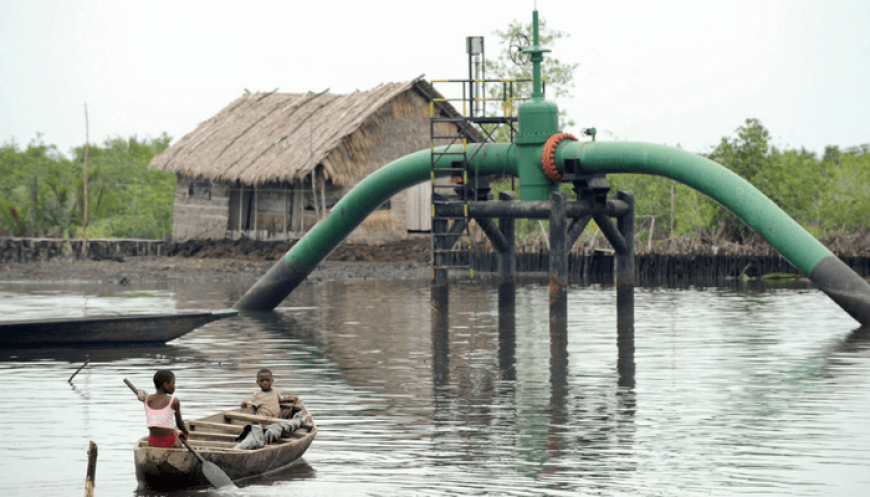
The Hydrocarbon Pollution Remediation Project (HYPREP) has announced plans to create more than 1,500 direct jobs in Ogoniland in 2026 as it prepares to launch the next phase of its mangrove restoration and shoreline remediation projects.
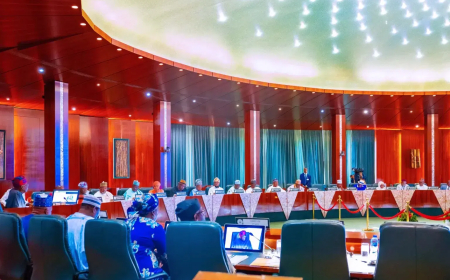
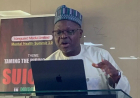
The disclosure was made by the Project Coordinator of HYPREP, Professor Nenibarini Zabbey, during a Project Review Meeting with key Ogoni stakeholders held in Port Harcourt. The forum served as an accountability and scorecard session, allowing stakeholders to assess the progress made and provide feedback on the cleanup program.
Professor Zabbey revealed that no fewer than 2,000 Ogoni youths and women are expected to benefit from expanded skills-acquisition programmes, including 10 demand-driven trades and five specialised courses designed for persons with disabilities.
Zabbey said the engagement was central to the success of the Ogoni clean-up, noting that regular interactions with stakeholders enhance transparency, promote learning, and help the Project Coordination Office identify gaps requiring improvement.
Presenting HYPREP’s performance scorecard for the period from July to December 2025, the Project Coordinator highlighted significant milestones achieved across remediation, water supply, public health, infrastructure, and livelihood restoration initiatives.
According to him, Phase 1 of shoreline remediation has reached 72.7 per cent completion, while mangrove restoration was nearing completion at 99 per cent. Soil and groundwater remediation at medium-risk complex sites currently stands at 39.01 per cent.
Regarding the potable water supply, Zabbey stated that 16 water facilities with booster stations have been completed and are supplying clean water to 42 Ogoni communities, while construction work is ongoing on 29 additional facilities.
He also outlined progress in public health and infrastructure projects, including the ongoing three-year public health studies being conducted by the International Agency for Research on Cancer (IARC) of the World Health Organisation.
According to Professor Zabbey, other interventions include plans to distribute ambulances, strengthen health facilities, and expand medical outreaches.
He also emphasised that the Ogoni Specialist Hospital is currently at 78.2 per cent completion, while Buan Cottage Hospital is 98.5 per cent completed. He added that the Centre of Excellence for Environmental Restoration (CEER) has reached 93.5 per cent completion, and work on the Ogoni Power Project stands at 61.13 per cent.
In the area of livelihood restoration, the Project Coordinator announced that additional skills-training programmes will commence in January, covering cybersecurity, mud lugging, commercial diving, Geographic Information Systems (GIS), and mechatronics.
He further reiterated that specialised training programmes have also been designed to ensure the inclusion of Ogoni persons with disabilities.
Education support initiatives, he added, include the installation of IT and solar equipment in pilot schools, the distribution of learning materials, and the planned release of 160,000 exercise books to public primary and secondary schools starting in January 2026.
Zabbey further disclosed that the list of 500 beneficiaries of the second batch of HYPREP postgraduate scholarships will be published on January 1, 2026, following the award of scholarships to 300 postgraduate students earlier this year.
Addressing the challenges, the Project Coordinator expressed regret over recent incidents affecting the Gwara and Ebubu water facilities, describing them as valuable learning experiences for both HYPREP and the host communities.
He said the water supply has been restored in Ebubu, while efforts are ongoing to reinstate the supply to Gwara, pending the report of a Technical Investigation Committee expected this week.
Zabbey noted that the project continues to confront issues such as community land disputes, threats of re-pollution, vandalism, and operational constraints, assuring stakeholders that these challenges are being handled with diligence and a strong sense of responsibility.
“The Renewed Hope National Agenda is alive and active in Ogoni. It has made the clean-up a national priority, placing Ogoni restoration and development at the centre of national discourse,” Zabbey said, stressing that the goal is holistic and sustainable development that combines environmental restoration with improved livelihoods and social wellbeing.
Ogoni Clean-Up: HYPREP Targets 1,500 New Jobs, Expands Skills Training